Home Blog Page 2

Billionaires’ wisdom: 10 inspiring quotes from the world’s richest men

0
xr:d:DAFPJTZt-mg:4,j:38112677829,t:22101522

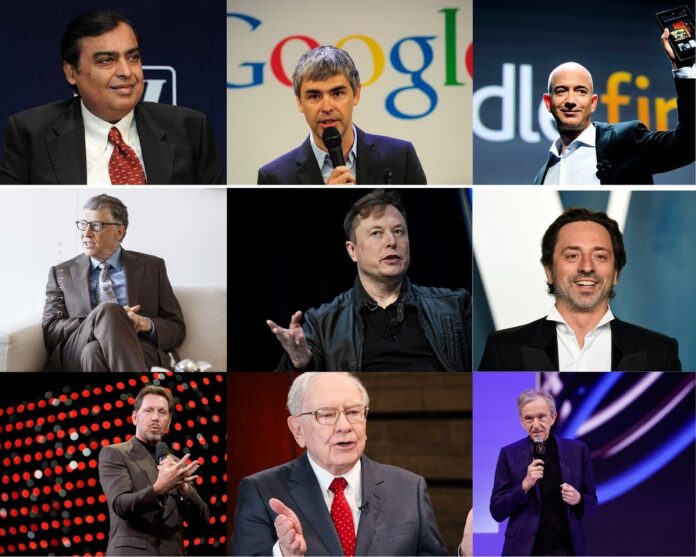
The world’s richest billionaires come from varied backgrounds, industries, generations and countries. They’re tech entrepreneurs, a fashion magnate, probably the world’s savviest ever investor, a pioneering industrialist and a space-watching Twitter hot head – hi Elon.

What sets them apart, however, is their canny ability to make money. They’re not just good at it, they’re the best in the world at it. Possibly ever. From pioneering inventions to repeated shrewd business moves they’re billionaires for a reason.

Can we learn anything from them? Without a doubt. Check out these pearls of wisdom from the world’s top  10 richest billionaires.


Sergey Brin
Sergey Brin

10) Sergey Brin

The computer scientist and Google co-founder is famed for creating a culture of innovation, experimentation and developing creative technology on his way to an $80.5bn fortune. The secret? Not being confined by rules, apparently.

“Too many rules stifle innovation.”

Mukesh Ambani
Mukesh Ambani

9) Mukesh Ambani

The chairman of Reliance Industries has interest in telecoms, retail, oil and gas and petrochemicals. How did he turn this into an $83.9bn fortune? Hard work. Lots of hard work.

“It is important to remember that there are no overnight successes. You will need to be dedicated, single-minded, and there is no substitute to hard work.”
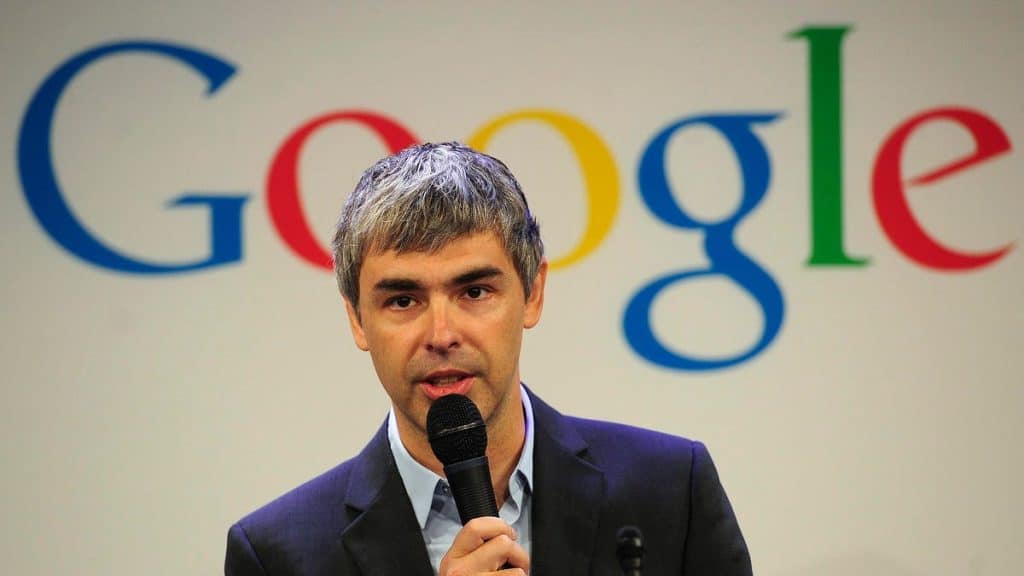
Larry Page, billionaire Google founder
Larry Page

8) Larry Page

How do you make $84bn and become one of the world’s richest billionaires? It sounds counterintuitive, but the Google co-founder says money motivation is not the way.

“If we were motivated by money, we would have sold the company a long time ago and ended up on a beach.”
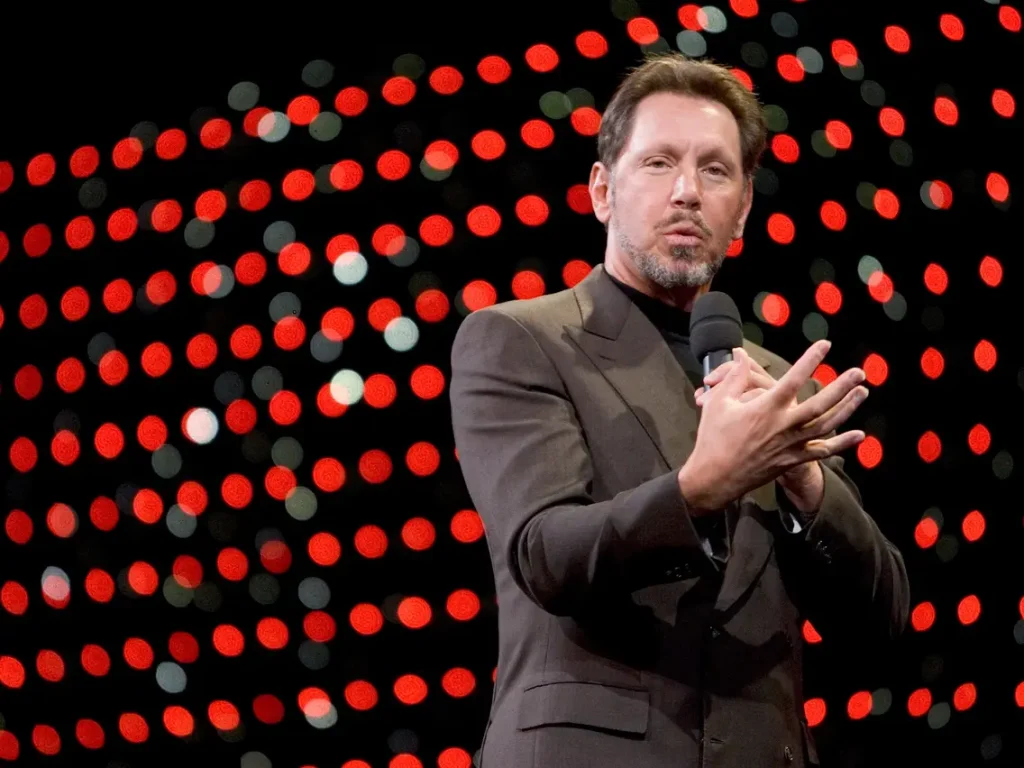
Larry Ellison
Larry Ellison

7) Larry Ellison

Larry Ellison gave up the CEO role at Oracle nearly 10 years ago, after 37 years at the helm. Still the CTO and owner of about 35% of the company he knows the importance of being different in the boardroom and the marketplace. An $87.4bn bank balance proves him right.

“If you do everything that everyone else does in business, you’re going to lose. The only way to really be ahead is to ‘be different’.”
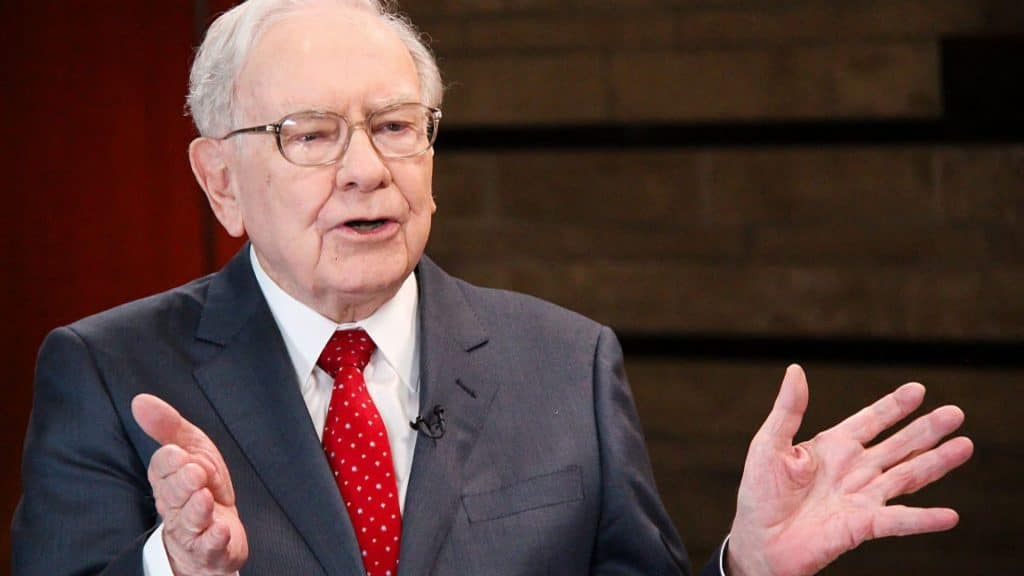
Warren Buffett
Warren Buffett

6) Warren Buffett

The former chewing gum and door-to-door salesman has come a long way and made many billions. $95.5bn to be precise. His best rule for aspiring billionaires – don’t lose money. Simple.

“Rule No. 1 is never lose money. Rule No. 2 is never forget Rule No. 1.”
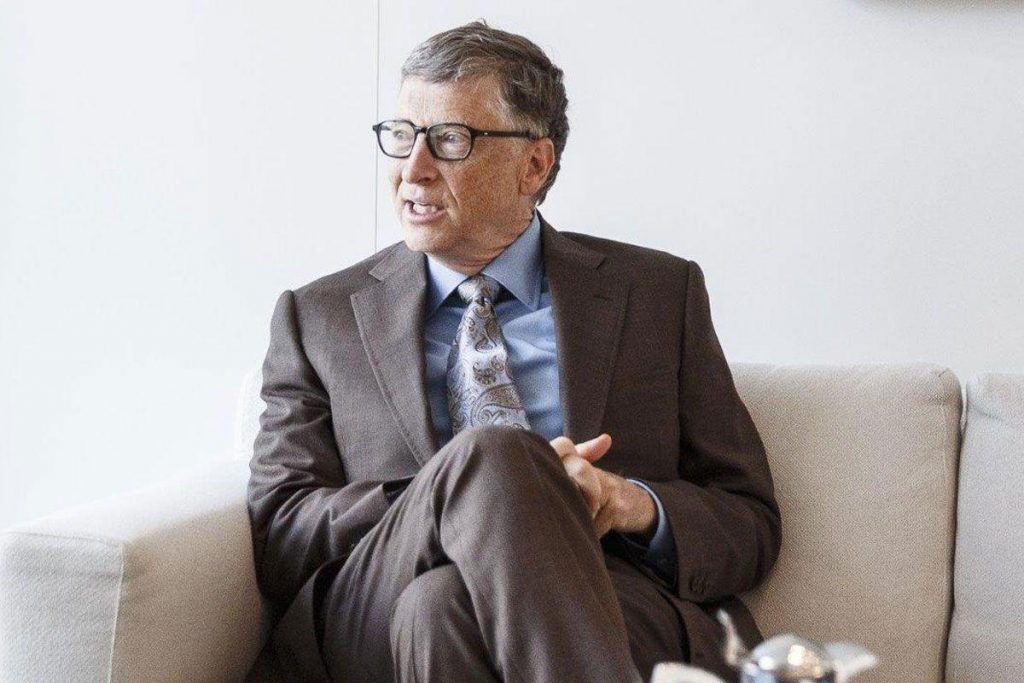
Bill Gates
Bill Gates

5) Bill Gates

Software developer and Microsoft founder Gates has spent much of the past thirty years recognised as a the one of the world’s richest billionaires and is now a leading philanthropist with a personal net worth estimated at $99.8bn. Follow his advice and learn more from setbacks than success.

“Your most unhappy customers are your greatest source of learning”.
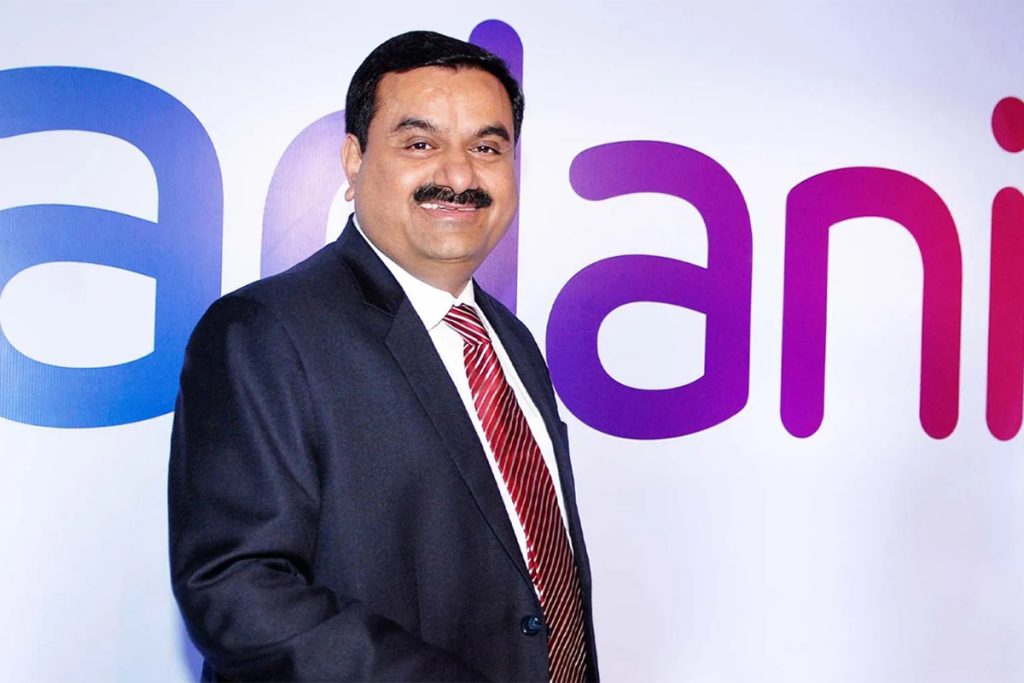
Gautam Adani
Gautam Adani

4) Gautam Adani

Port development business leader and industrialist Gautam Adani thinks long-term vision over short-term profit is a key characteristic of a leader. It is a belief that has carried him to a $124.4bn fortune.

“I am not attracted to those politicians who are short on vision and only want to make money. I like those who have vision.”

Jeff Bezos
Jeff Bezos

3) Jeff Bezos

Shopkeeper and online retail mogul Bezos has built Amazon into an all-conquering online shopping giant with a personal net worth estimated at $130.4bn. How? Building a reputation.

“A brand for a company is like a reputation for a person. You earn reputation by trying to do hard things well.”
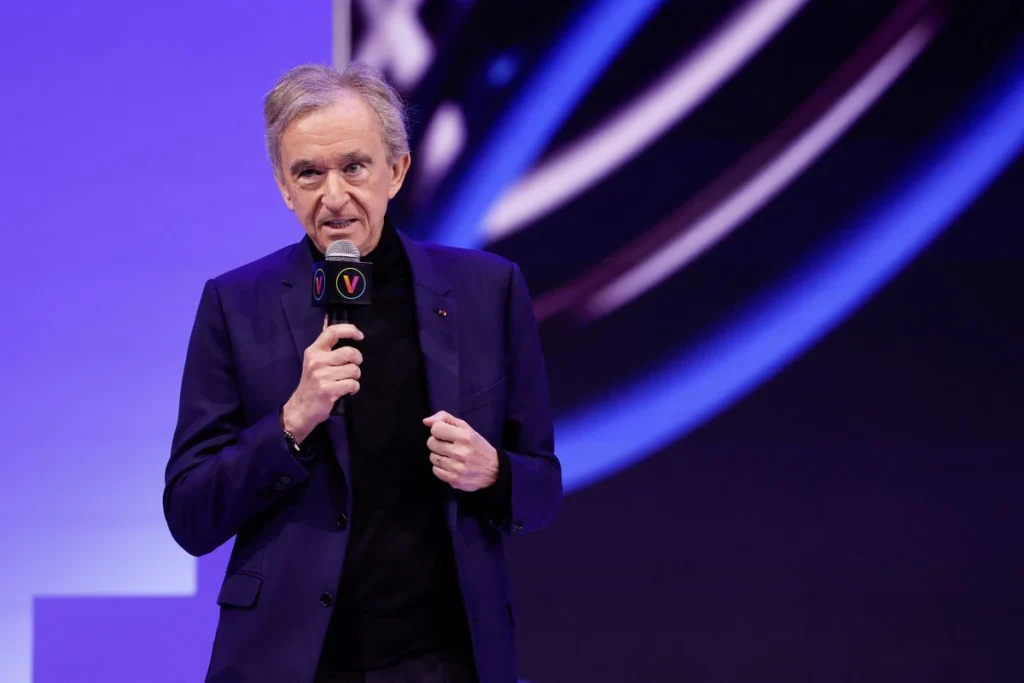
Bernard Arnault
Bernard Arnault

2) Bernard Arnault

Growth, growth, growth. If it is good enough for luxury goods specialist Bernard Arnault and his family then it is good enough for any aspiring entrepreneur or lesser billionaires. It has taken the Arnault family to an estimated $147.8bn.

“The goal of a start-up is not to stay a start-up. The goal of a start-up is to grow and to become, if possible, a large company.”

Elon Musk is the world's richest billionaire
Image: Bloomberg Elon Musk is the world’s richest billionaire

1) Elon Musk

“If something is important enough, even if the odds are against you, you should still do it.”

A personal fortune of $207.7bn, Tesla and SpaceX optimistic for the future the world hanging on his every tweet and the title of the world’s richest man. It is fair to say Elon Musk knows a thing or two about making money. As the quote shows he has a single-minded determination to go his own way.
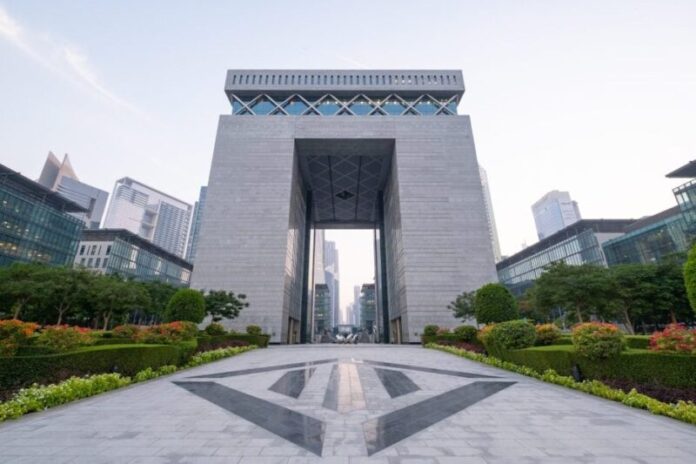
DIFC launches new funds centre, reports rise in firms

0

Dubai International Financial Centre (DIFC) has said it now hosts more than 400 wealth and asset management firms, including 44 hedge funds in the “billion-dollar club”.

The centre also revealed plans to launch the DIFC Funds Centre in early 2025.

It aims to support hedge fund spinouts, fund platforms, and boutique firms, offering industry professionals a flexible environment and networking opportunities.

The initiative reflects the centre’s strategy to deepen sector engagement and build a robust wealth and asset management ecosystem.

DIFC’s wealth and asset management community continues to experience rapid growth, outpacing the market and strengthening our position as the region’s preferred financial centre,” said Salmaan Jaffery, chief business development officer at DIFC Authority.

DIFC sees a rise in firms to over 400

The centre has seen a significant increase in firms, growing from 350 companies in 2023 to over 400 this year.

Hedge funds are a major driver of this growth, with 60 operating within the centre, including names such as Bluecrest, Eisler Capital and Tudor Capital.

A recent report by LSEG highlights emerging markets, led by the UAE, as key drivers of the next wave of wealth and asset management growth, with the financial centre positioned as the region’s leading hub.

The UAE saw a 9 per cent growth in assets under management (AUM) in 2023, the highest among global booking centres.

The report also notes Dubai’s role in attracting significant wealth inflows, particularly from high-net-worth individuals, family offices, and sovereign wealth funds.

The DIFC Funds Centre is part of a broader strategy that includes partnerships with the Alternative Investment Management Association (AIMA), Deal Catalyst, and the Standards Board for Alternative Investments (SBAI).

Dubai continues to be a prime destination for both public and private capital, with access to regional sovereign wealth funds and $3.5tn in private capital pools.

Standard Chartered starts custody services for digital assets in the UAE

0

Standard Chartered said on Tuesday it had begun offering digital asset custody services in the UAE, with Brevan Howard Digital, the crypto and digital asset division of the British hedge fund, as an inaugural client.

The emerging markets-focused bank said it launched the business in the country because of its “well-balanced approach to digital asset adoption and financial regulation.”

“Standard Chartered’s global reputation and demonstrated commitment to this space adds a layer of credibility that is meaningful for institutional adoption,” Brevan Howard Digital’s CEO Gautam Sharma said in a joint statement.

The UAE has been working hard to attract some of the world’s biggest crypto firms, luring business from Binance and OKX, among others. It has also been trying to develop virtual asset regulation to attract new forms of business as economic competition heats up in the GCC region.

The Gulf state has also managed to attract big hedge funds, including Brevan Howard, which established its office in Abu Dhabi in February 2023, Millennium Management, ExodusPoint Capital Management and BlueCrest.

Standard Chartered is among several banks that have been extending their foray into the crypto sector as more institutional investors adopt the asset class. It is a backer of two crypto firms, Zodia Markets and Zodia Custody, which provide clients with a broad range of services, including custody and trading.

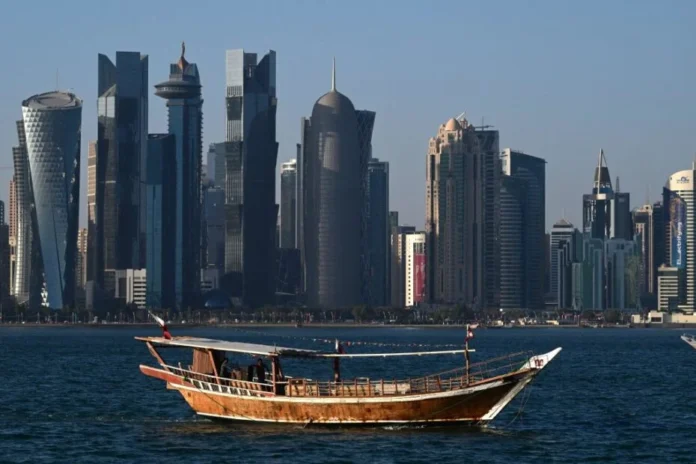
Qatar wealth fund expands into Australia, Korea and Southeast Asia

0

The Qatar Investment Authority (QIA), the country’s sovereign wealth fund, is in the middle of expanding into Australia, Korea and Southeast Asia, its top executive said on Thursday.

The state investor sees investment opportunities, including carve-outs among conglomerates and take-private deals in Japan and in the technology sector in India.

Qatar’s sovereign fund is one of the world’s largest state investors. The Sovereign Wealth Fund Institute projected that QIA runs $526bn worth of total assets.

“For Australia and Korea, we are going to start hiring people,” Abdulla Ali Al-Kuwari, head of Asia Pacific at Qatar Investment Authority Advisory, said at the Milken Institute Asia Summit 2024 in Singapore.

“We started Japan with the team maybe three years ago, now we are doubling it, we are going to hire more and more people so it is a market to focus for us,” Al-Kuwari said.

The Asian expansion by QIA, which owns stakes in the London Stock Exchange and Iberdrola, comes as the fund has been diversifying its investments from core European and US markets.

The Qatari fund agreed to buy a 10 per cent stake in China’s second-largest mutual fund company, China Asset Management, in June.

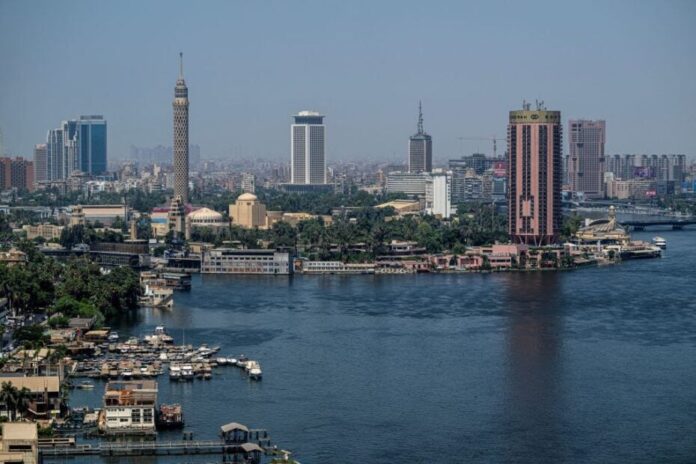
Egypt counts on foreign funds to buy gas as power crisis worsens

0

Saudi Arabia and Libya have financed the purchase of gas cargoes worth at least $200m to help Egypt ease its energy crisis this summer amid a steep decline in domestic gas output, two industry sources familiar with the matter said.

Egypt needs some $2bn worth of gas to cover summer demand through October, according to one of the two sources familiar with the government’s plan, but a hard currency crisis means it lacks funds to fully cover imports of liquefied natural gas.

“Without support from our friends in the Gulf, we won’t be able to pay for these shipments,” one of the sources said. He added officials were looking to raise more money from allies.

The two sources said Saudi Arabia had financed three of the 32 LNG cargoes Cairo has bought so far this year, which according to Reuters calculations are worth around $150m at current prices.

Libya bought one cargo in July worth around $50m with funds of the Libyan National Oil Corporation, the sources added. Egypt’s gas bill and funding from Saudi Arabia and Libya have not been previously reported.

A spokesperson for Egypt’s petroleum ministry said gas tender details were confidential. The Saudi government, Saudi Arabia’s central bank and Libya’s state energy firm NOC did not respond to Reuters’ requests for comment.

Egypt has had to resort to load-shedding in the last year to keep its grid functioning amid a lack of gas supply and rising demand. The deepening energy crisis is straining the government budget in Cairo as it grapples with a heavy subsidies bill.

President Abdel Fattah Al-Sisi’s government has boosted fuel and food subsidies this summer, but those increases do not offset a 60 per cent devaluation in the Egyptian pound since March 2024, leaving Egypt’s growing population struggling with the rising costs of living.

Egypt’s foreign debt reached $154bn in May, close to the end of 2023’s all-time high of $168bn.

“This financial burden (of the gas bill) comes at a critical time for Egypt as it faces troubles reining in its subsidy bill, which could have an impact on social security and overall stability,” said Mona Sukkarieh, political risk consultant and co-founder of Middle East Strategic Perspectives.

Plunge in Egypt’s gas output

Egypt’s domestic gas output plummeted to a six-year low in May, down around 25 per cent from its 2021 peak, and is expected to fall by a further 22.5 per cent through 2028, consultancy Energy Aspects said.

The country had planned to become a major gas exporter after Italian energy group Eni discovered the giant Zohr offshore field in 2015.

Its energy ministry at the time said that when Zohr started production in 2017, the field would produce 2.7 billion cubic feet per day until 2039. However, after rising to a peak at 3.2 bcf/d in 2019, output fell to just 1.9 bcf/d in the first half of 2024.

Four industry and diplomatic sources said Zohr’s speedy development had injected too much water into the reservoir and made gas extraction more difficult.

Eni said Zohr’s production was in line with its forecast and the agreement it had made with its partners and authorities.

The group added that plans for the field’s output had to be updated following slower development during the Covid-19 pandemic. The Italian group also said Zohr’s development has been in line with Eni’s fast-track model.

The same four sources said investments in the gas industry have also slowed because Egypt has accumulated around $6bn worth of debt for gas and fuel supplies.

Egypt’s debt to Eni alone – mainly related to gas – stood at nearly $1.27bn at the end of June, up from $1.16bn at the end of last year.

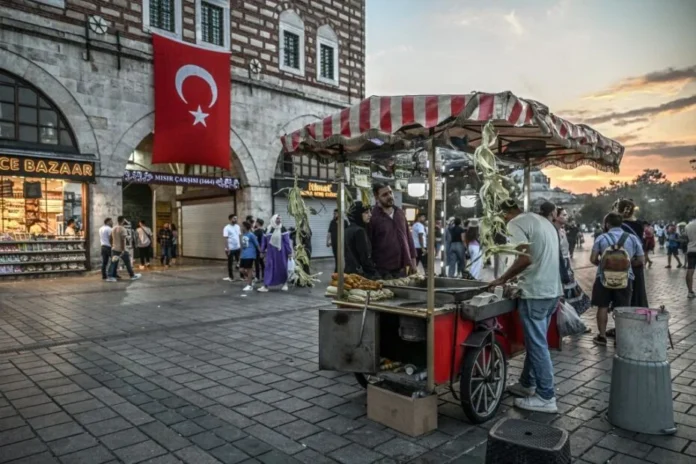
Türkiye firms face wave of closures amid economic reckoning

0

It is hard for Dogan Duman to see how he can keep his garment factory in central Türkiye running much longer, even after firing a third of his staff to cut costs that have soared for companies nationwide, generating a wave of bankruptcies and closures.

Idle sewing machines are pushed to the side of his factory floor in Corum, where outside “For Sale” signs and padlocked gates dot the small city’s once-buzzing industrial zone.

Such sober scenes are spreading across Türkiye as part of the fallout from a more than year-long policy-tightening effort, including a 50 per cent benchmark interest rate, to rein in years of soaring inflation and overheated demand.

Thousands of companies like Duman’s – which makes coats and jackets for global fashion brand Zara – are squeezed by inflation that topped 75 per cent earlier this year, an overvalued lira, hikes to electricity and gas prices and dwindling export orders.

“The orders are shrinking daily because we are losing our competitiveness… and I think they will shrink even more,” he said of his 27-year-old company that is now down to 60 per cent capacity and 210 employees.

Türkiye is one of the world’s top five garment manufacturers and a critical source for Europe’s top brands. But despite its advantage of proximity to Europe, its leading trade partner, Duman, says swelling energy, labour, and foreign exchange costs have left him trailing rivals in Vietnam and Bangladesh.

“Considering the current lira exchange rate and the expected further rise to minimum wage next year, I think we won’t be able to compete,” he said. “We will be at a point of shutdown.”

These days, Turkish households and businesses are facing the economic consequences of a cumulative 41.5 percentage points of rate hikes that began in June last year. The hikes are now finally beginning to cool inflation, which dipped to 52 per cent last month.

Last year’s dramatic policy U-turn, including fiscal steps, aims to leave behind years of soaring prices and currency crashes under President Tayyip Erdogan’s formerly unorthodox approach of monetary easing to stoke growth.

But with credit now out of reach for many and lira depreciation badly lagging monthly price rises, companies, especially apparel and textile exporters, are in a crunch.

Almost 15,000 companies closed down in the first seven months of the year, up 28 per cent from 2023, according to the Union of Chambers and Commodity Exchanges of Turkey.

Other data suggest bankruptcy stress is brewing.

Monitoring outlet konkordatotakip.com says 982 companies were granted initial court protection from debt in the first eight months of the year, almost double last year’s total.

Construction and textile firms have made the most significant number of such applications to suspend debt payments to banks and suppliers to continue operations, as well as for bankruptcy proceedings.

Such company strains have knock-on effects, slowing or halting payments across the economy and lifting joblessness.

There may be “high costs,” said Erdal Bahcivan, chairman of the Istanbul Chamber of Industry. “While trying to save a company, dozens of (creditor) firms may end up in dire straits.”

Some economists say that given the aggressive tools used to slay inflation, rising unemployment and bankruptcies are all but certain.

“This is a serious dilemma for the government,” said Seyfettin Gursel, director at Bahcesehir University Center for Economic and Social Research. “It is trying to put the monster it created back into its lair but doesn’t know how to do it”.

Türkiye’s struggling textile industry

In Corum, 500 km east of Istanbul, some factories have broken windows, and one has dozens of colourful, rain-drenched garments strewn across its grassy yard.

Bulent Demirci, co-owner of a yarn factory in the city with 50 workers, said he shut it down a couple of months ago due to an “unpredictable economic outlook”.

“We had production cuts from time to time in the past. But this time, it is all doom and gloom,” he said.

Ankara’s latest minimum wage hike was to $500 (TRL17,002) in January, up 100 per cent from a year earlier and 500 per cent from the end of 2021, when a historic lira crash rocked Turkey.

Gas and electricity prices have risen about sevenfold and threefold respectively since 2021 for small to mid-scale manufacturers.

Turkey’s overall production costs are now almost 40% higher than in competing Asian countries in dollar terms, according to interviews with exporters, who also blame barriers to financing and dwindling working capital.

Exporters have lobbied for more currency depreciation given that, year-to-date, inflation is 32% while the lira has fallen only 13 per cent to the dollar. Authorities, however, have urged lira holdings, which have been helped by high deposit rates.

Istanbul-traded Mega Polietilen and garment manufacturer 3F Tekstil are among those who applied for court protection from debt payments.

An executive at 3F who requested anonymity said the move helped as it struggled to survive with a total 600 workers, and to continue supplying fashion brands such as Mango and H&M.

“But our suppliers and those who have receivables will suffer more in this process,” amounting to roughly 10,000 workers at outsourced manufacturers across the country, the executive said.

“When interest rates reached 60-70 per cent the companies could not bear it. They cannot manage their debt,” he said. “Businesses have paid for high inflation in Turkey.”

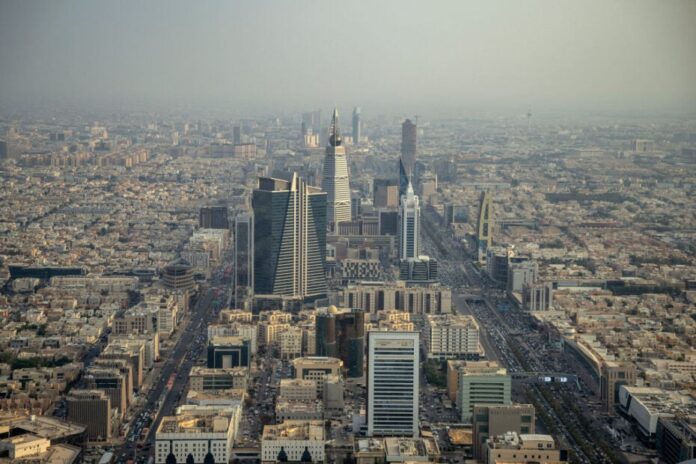
Saudi Arabia’s real GDP shrinks by 0.3% in Q2 2024, oil weighs

0

Saudi Arabia’s economy contracted by 0.3 per cent in 2023 compared with a year earlier, as a decline in oil activities by 8.9 per cent year-on-year (YoY) continued to weigh on overall growth.

The latest data from the General Authority for Statistics shows that the kingdom’s seasonally adjusted real gross domestic product (GDP) grew by 1.4 per cent compared to Q1 2024, as non-oil activities rose by 4.9 per cent YoY and 2.1 per cent quarter-on-quarter (QoQ).

Saudi Arabia’s statistics agency said GDP at current prices reached SAR1.02tn in Q2 2024, with crude oil and natural gas activities contributing 23.2 per cent to overall GDP – the highest – followed by government at 16.0 per cent.

Meanwhile, the International Monetary Fund (IMF) sees the kingdom’s oil revenue rising to 2026 before declining quicker than previously expected through the end of the decade.

The fund projected that oil revenue will rise to SAR783bn to make up about 26 per cent of GDP in 2026, the IMF said in a report after its annual consultations with the government in Riyadh. The earnings are seen dipping to SAR778bn in 2029, 4.1 per cent less than earlier estimates.

The IMF sees Saudi Arabia’s oil production at 9 million barrels a day this year, rising to 10.2 million in 2026 and 11 million in 2029. The kingdom needs oil prices at $96 a barrel to balance its budget, which is more than $20 higher than the global benchmark Brent’s current levels.

US to release $1.3bn in military aid to Egypt

0
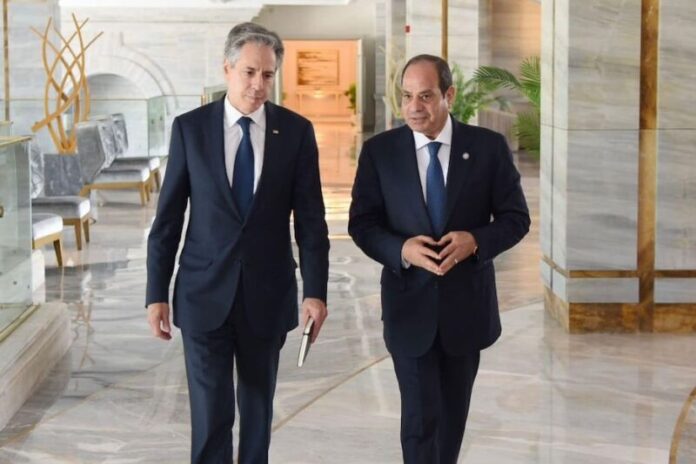
CAIRO, EGYPT - AUGUST 20: (----EDITORIAL USE ONLY - MANDATORY CREDIT 'EGYPTIAN PRESIDENCY / HANDOUT' - NO MARKETING NO ADVERTISING CAMPAIGNS - DISTRIBUTED AS A SERVICE TO CLIENTS----) Egyptian President Abdel Fattah el-Sisi meets US Secretary of State Antony Blinken in Cairo, Egypt on August 20, 2024. (Photo by Egyptian Presidency/Anadolu via Getty Images)

The US government will release the full allocation of $1.3bn in military aid to Egypt for the first time under the Biden administration, according to a State Department spokesperson. The decision comes as the US relies on Egypt to mediate ceasefire talks between Israel and Hamas during the ongoing Gaza conflict.

Out of the total aid, $320m is subject to human rights conditions. However, Secretary of State Antony Blinken informed Congress that he would waive $225m of these conditions, citing the importance of Egypt’s role in advancing US national security interests, particularly in relation to the Gaza crisis.

The spokesperson highlighted Egypt’s contributions to securing a ceasefire, facilitating the return of hostages, and delivering humanitarian assistance to Palestinians.

Senator Chris Murphy, chair of the Senate Foreign Relations Committee’s Middle East subcommittee, acknowledged that while aid had been withheld previously due to human rights concerns, the current conflict has increased Washington’s dependence on Egypt for diplomatic mediation.

Egypt also serves as a critical entry point for humanitarian aid to Gaza.

Blinken had similarly waived conditions last year but withheld some military aid due to Egypt’s lack of progress on human rights issues.

This year, however, he approved the release of $95m, citing improvements such as the release of political prisoners and reforms in pretrial detention laws.

The State Department spokesperson emphasised that Washington will continue its dialogue with Egypt to ensure further human rights advancements, which are crucial for maintaining a strong bilateral relationship.

This decision follows an earlier bilateral agreement between the US Agency for International Development (USAID) and Egypt’s Ministry of International Cooperation, which secured $130m in funding aimed at promoting economic opportunity and improving living conditions in Egypt.

5 key strategies for business success in the Middle East

0
Full length view of six young male and female associates in traditional and western attire sharing objectives and goals.

Mirages often deceive the eye in the desert, promising water and relief where there is none. Similarly, the Middle East, at the moment, can appear daunting to global business leaders who mistakenly look at it as one homogeneous bloc. But unlike mirages, and despite geopolitical tensions in the broader region, the Gulf Co-Operation Council (GCC) economies’ potential is no illusion.

A recent EMIR survey shows that 42 per cent of UAE-based regional CEOs expect double-digit growth in 2024, indicating a thriving business environment despite regional flux and a torpid global economy.

Yet, many regional leaders of international companies still struggle to unshackle themselves from misconceptions and biases held by a global HQ that often looks at the Middle East through a narrow keyhole.

Global budget holders’ often misguided viewpoints can lead to missed opportunities and hinder growth.

With over a decade of experience advising regional business leaders in the Middle East, I’ve seen how critical it is to make the case for the region by focusing on these five simple steps.

  1. Make the case with a comprehensive, data-backed proposal: A robust, numbers-driven proposal is the cornerstone of success. It should comply with processes and include a thorough risk assessment and a compelling business case. Work with other regions in the company to learn what works best for influencing global decision-makers. One UAE-based team, struggling with approvals, sought feedback from peers in a globally recognised office. This peer review revealed the need for detailed risk descriptions, which improved their success rate from 45 per cent to 80 per cent. Clear, precise and realistic proposals build confidence and pave the way for approval.
  1. Engage experts early: Engaging legal, commercial, and technical experts early in the proposal process is crucial. These experts help lend credibility, anticipate potential issues, and provide essential guidance. Regional CEOs should foster a culture of early and proactive expert involvement, ensuring the groundwork for success is laid well before the proposal reaches the decision-makers.
  1. Craft a sophisticated internal lobbying campaign with critical decision-makers: Communication with key global decision-makers beyond the formal approval process is essential. This allows for a better understanding of concerns and aligns the proposal with the company’s strategic goals. Such proactive communication can pre-empt objections and smooth the path to approval. Internal lobbying should happen at multiple levels and be multifaceted.
  1. Proactively tackle misperceptions and biases: Addressing and overcoming cultural biases and misconceptions is crucial. These often stem from outdated stereotypes and can obstruct investment plans. These biases can be addressed head-on by providing clear information, context, and market intelligence. Bringing global CEOs or critical decision-makers to the region is one of the most powerful ways to tackle misconceptions and dispel myths about doing business in the region.
  1. Leverage local expertise: Involving local experts can build trust and provide external context. CEOs should not hesitate to bring trusted advisors to clarify the business landscape. Again, arranging local visits for offshore executives to meet with local high-calibre experts can offer them firsthand insight into the region’s vision, opportunities, and challenges. Another effective strategy is to have your visiting global CEO meet with other local regional CEOs over a roundtable discussion. This unbiased information gets them out of the silo of your organisation while corroborating the information in your proposal.

Together, these five steps should focus on delivering a simple message to global budget holders: “This is a region of opportunity, so give us more budget. However, this place also operates very differently from our domestic market, so don’t expect the same linear pathways to growth and timelines.”

This strategy requires robust preparation, clear communication, a deep regional network and a rich understanding of the local business environment because, ultimately, you have to deliver on that promised growth. But it is worth it.

By dispelling misconceptions and engaging proactively, regional CEOs can unlock the region’s true potential, transforming perceived mirages into an oasis of opportunities waiting to be discovered

UAE fines foreign bank Dhs5m for money laundering breaches

0

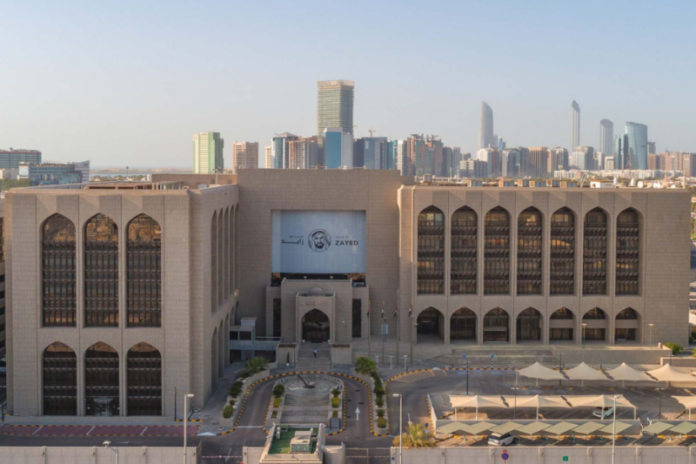
The UAE central bank said on Monday it fined a foreign bank operating in the country $1.4m (Dhs5m) for failing to sufficiently address money laundering and financing of terrorism and other related deficiencies.

The “financial sanction on a bank” was imposed in accordance with specific provisions outlined in the Federal Decree Law No. (14) of 2018 regarding the Central Bank & Organization of Financial Institutions and Activities, as well as the Federal Decree Law No. (20) of 2018 on Anti-money Laundering and Combating the Financing of Terrorism and Illegal Organizations.

The Central Bank of the UAE (CBUAE) didn’t disclose the name of the bank. The central bank ordered the bank to present its board with the regulator’s action.

Through its supervisory and regulatory mandates, the CBUAE ensures that all banks, their owners and staff abide by the UAE’s laws, regulations and standards to safeguard the transparency and integrity of the country’s banking sector and financial system.

CBUAE fined a local bank Dhs5.8m for failing to adequately address money laundering and financing of terrorism in August.

The UAE, home to the Abu Dhabi Global Market and Dubai International Financial Centre, was removed from the grey list of the global watchdog Financial Action Task Force (FATF) in February, capping a push by the authorities to clamp down on illicit financial flows.

The reforms that the UAE implemented to exit FATF’s grey list include increasing financial investigations and prosecutions, boosting international cooperation, and aligning virtual asset regulation with international standards.