Home Blog

British ministers head to the GCC for talks on new trade deal

0

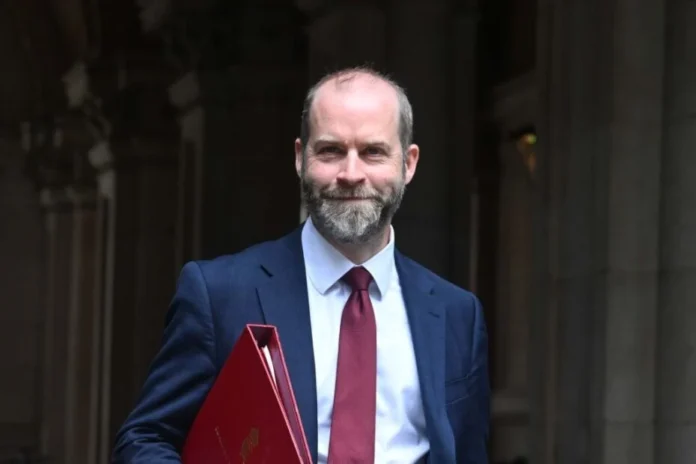
Britain’s new trade ministers visited the Gulf region on Monday in a first joint visit for talks on a possible trade deal, the government said.

Trade secretary Jonathan Reynolds and minister for trade policy Douglas Alexander will meet their counterparts from the GCC region, which comprises Bahrain, Kuwait, Oman, Qatar, Saudi Arabia and the UAE.

Trade has been a weak point in Britain’s economy in recent years – with business groups pointing to Brexit as one cause.

The government, elected in July after a landslide victory for Prime Minister Keir Starmer’s Labour Party, is also targeting trade deals with India, Switzerland, and South Korea as part of its plan to boost economic growth.

“I want to see a high-quality trade deal that supports jobs, helps UK companies sell their products to the region and increases choice for consumers – so it’s great to be here to discuss exactly that,” Reynolds said in a statement.

Britain’s Business and Trade Department estimates a free trade deal with the GCC region could boost the UK economy by $2.10bn (GBP1.6bn) over the long run.

Out of the Group of Seven advanced economies, Britain ranks bottom for growth in goods and services exports since 2019, even when accounting for the country’s large precious metals trade, according to national accounts data.

Saudi Fund for Development signs first loan agreement with Dominica

0

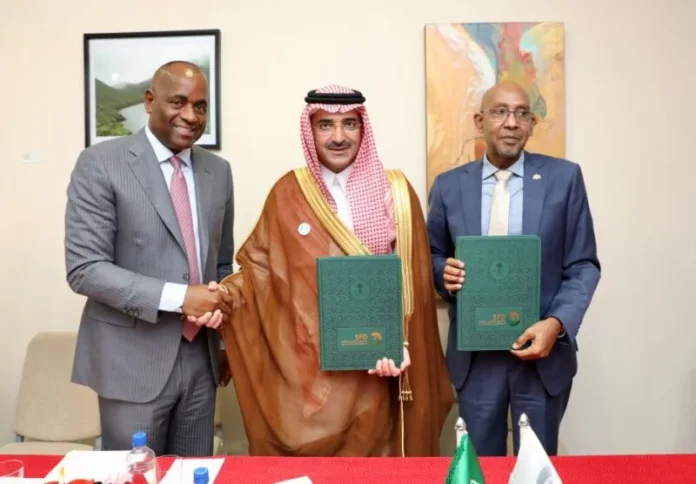
Saudi Fund for Development (SFD) formalised its first development loan agreement with the Commonwealth of Dominica, marking a significant expansion into Latin America and the Caribbean.

The $41m infrastructure rehabilitation project, set to transform the capital city of Roseau, is expected to drive socio-economic growth and enhance living conditions for Dominicans.

The project will focus on rehabilitating seven major streets in Roseau, aimed at improving road connectivity, alleviating congestion, enhancing safety, and facilitating better access to essential services.

Additionally, the initiative is expected to spur commercial and residential development and create numerous job opportunities.

The project aligns with the United Nations Sustainable Development Goals (SDGs), particularly Goal 9 (Industry, Innovation, and Infrastructure) and Goal 11 (Sustainable Cities and Communities).

Loan agreement marks SFD’s focus on supporting SIDS

It reflects SFD’s commitment to fostering development and economic prosperity in Dominica, as well as supporting small island developing states (SIDS) globally.

SFD CEO Sultan Al-Marshad expressed optimism about the project’s impact, stating, “We sincerely wish the Commonwealth of Dominica continued growth and prosperity. May this project serve as a driver for positive change and sustainable development, paving the way for a more prosperous future for the country.”

Dr Irving McIntyre, Minister of Finance, Economic Development, Climate Resilience, and Social Security of Dominica, emphasised the project’s significance.

“This initiative represents a crucial step in addressing the challenges and opportunities within Roseau. We anticipate that the transformation will lead to increased social and economic productivity,” he said.

Read: Saudi Fund for Development signs $75m loan agreement for hospital project in Saint Lucia

SFD celebrates 50th anniversary

The signing ceremony coincides with the SFD’s 50th anniversary of global development impact.

Since its inception, the SFD has supported over 800 projects across 100 countries, with a total funding of $20bn.

In recent years, the fund has extended development loans to 10 new countries, all of which are Small Island Developing States.

As the official international development arm of Saudi Arabia, the SFD continues to play a pivotal role in advancing global development, with a focus on enhancing infrastructure and promoting sustainable growth worldwide.

How Abu Dhabi’s investment legacy is fostering economic development

0

Abu Dhabi and the UAE have long been recognised as important investors in the global economy. As of early 2024, the UAE’s total value of assets abroad, whether government or private, were estimated at $2.5tn. Around 72 per cent of this money comes from the emirates’ various sovereign wealth funds, with investments spread across diverse industries.

The city’s track record as a strategic global investor has not only bolstered economies abroad but has also laid a strong foundation for attracting inbound investment as the international business community looks to capitalise on the depth of opportunities in Abu Dhabi’s own economy.

As of 2024, it’s important to remind ourselves of just why the Abu Dhabi proposition connects so strongly with investors. Today, Abu Dhabi is, without doubt, a formidable global investment destination to be reckoned with, and in my view, there are several important and often complementary factors as to why that is.

The emirate benefits from a growing, prosperous, liberalised, and diversified economy driven by a strategic vision, structural transformation, and countercyclical monetary and fiscal policies, resulting in sustainable growth and development.

Given the unpredictability and instability of the modern global economy, Abu Dhabi has come to be viewed as a safe pair of hands for international investors. Of equal importance, our location is advantageous for business, with 33 per cent of the world just a four-hour flight away and 80 per cent of the world reachable with an eight-hour flight. The emirate offers world-class infrastructure and connectivity across four time zones, so it’s obvious why many companies use Abu Dhabi as their hub to the world.

Abu Dhabi’s economic gains

The fundamentals of the economy are strong, which is the backbone of Abu Dhabi’s success story. The Statistics Center Abu Dhabi (SCAD) said the emirate’s economy grew 3.3 per cent in Q1 2024 compared to Q1 2023.

The rise was driven by a 4.7 per cent increase in non-oil economic activities, which reached the highest quarterly value at Dhs154.7bn and made the biggest contribution to the total economy at 54.1 per cent since 2015.

Simultaneously, Abu Dhabi has institutional capital estimated at around $1.3tn and a real GDP size that was measured at around $310bn at the end of 2023, representing 68 per cent of the UAE’s total GDP. These are some of the reasons why the emirate has become globally known as the “capital of capital.”

To its credit, Abu Dhabi has also worked hard to position itself as a credible hub for globally relevant innovative companies across multiple sectors. We’ve also built a thriving startup environment supported by funding, world-class digital infrastructure, networking, ecosystem collaboration, and we’ve attracted specialised human capital. Again, this is where Abu Dhabi’s active global investment legacy is spurring new exciting new businesses at home.

So, today where are some of the best opportunities for investors in Abu Dhabi? There are many possibilities here for the right types of investors with the right attitude. From my perspective, several sectors stand out and these opportunities are very much geared towards the future, which underscores the Abu Dhabi proposition, in that, ‘an investment in Abu Dhabi is an investment in the future’.

Take renewable energy for instance, which is a major theatre for investment activity. The emirate’s commitment to clean energy is more than just a strategy, it is roadmap for a long-term, diversified and an environment-friendly economy.

Renewable energy, clean alternative fuels, energy storage, carbon capture, and storage energy efficient technologies are just some of the areas where investors can collaborate in Abu Dhabi. More specifically, when we look at traditional energy such as oil and gas, there are vast opportunities on offer, and for decades, Abu Dhabi has embraced a partnership approach in its energy endeavors, creating vast opportunities for collaboration at home.

As Abu Dhabi continues to extract more value from every barrel of oil produced, its petrochemicals sector also has vast opportunities. Through key companies in the emirate, Abu Dhabi continues to invest in and expand its downstream product portfolio by developing fully integrated refining and petrochemicals complexes to increase the range and volume of its high-value downstream products.

Another exciting area is hospitality and tourism, which offer many possibilities that support more than 300,000 jobs and enjoy significant investment of $7bn per year. The sector is also forecast to grow by more than 5 per cent per year over the next decade, bringing with it unique and exciting opportunities for companies looking to enter this industry.

Eyes on the Capital of Capital

It is from Abu Dhabi’s position of experience and its deep familiarity with managing food and water resources that the emirate is also well placed to lead as a producer, exporter, and developer of innovative solutions related to food and water.

Together with international partners, it will look to provide those much-needed answers to the questions that will dominate food and water in the next 30 years.

Across all these growing sectors, Abu Dhabi has also shown its intent to embrace the future of artificial intelligence. This is evident with the high rate of early adoption within the government sectors and in the government-owned commercial sector. As proof of concept, Abu Dhabi Global Markets, the international financial centre, has placed AI at the very heart of its ecosystem.

Further, international investors have novel opportunities to trial governance, education, and product innovation across these sectors. The benefits could be vast for the right type of investors, as according to PwC forecasts, AI could contribute up to 14 per cent of the UAE’s gross domestic product by 2030.

As we look to that bright future and to an Abu Dhabi investment landscape that is increasingly powered by collaboration, one thing will remain: the emirate will continue supporting the big thinkers, innovators, and forward-thinking companies – it will continue building on its global investment legacy to fuel economic opportunities at home.
UAE unveils ‘Invest in the Emirates’ campaign, fronted by Idris Elba

0

The UAE government has unveiled its ‘Invest in the Emirates’ campaign, fronted by Hollywood actor Idris Elba.

The new initiative is aimed at attracting leading innovators, entrepreneurs, and talents from around the world.

The campaign, Invest in the Emirates, invites global business leaders to explore the UAE’s dynamic and rapidly evolving business landscape, showcasing it as a premier destination for groundbreaking ventures.

A global campaign

The promotional drive spans major global cities, including Cannes, Munich, Paris, London, Zurich, Geneva, and New York, and features British actor Idris Elba as its central figure.

Elba, known for his roles in Hollywood movies such as Marvel’s Thor, Fast & Furious: Hobbs and Shaw to name a few, and a UN Goodwill Ambassador, delivers a compelling message to innovators, urging them to bring their visionary ideas to the UAE, where they can flourish and access global markets.

At the heart of the campaign is the platformwww.invest.ae, which provides a comprehensive resource hub for potential investors.

It highlights the UAE’s strengths, such as its tax-free business environment, extensive global trade connections, and strong government backing for innovation and entrepreneurship.

In the video, which was shared by Sheikh Mohammed bin Rashid Al Maktoum, Vice-President and Prime Minister of the UAE, and Ruler of Dubai, on his social media account on X, Elba speaks passionately about the nation, describing the UAE as a place where “you can bring your impossible” and where the future can be invented and realised.

Elba is seen narrating over a cinematic sequence where he navigates a world defying the laws of physics, ultimately free-falling onto a building in Dubai with the Burj Khalifa, the city’s iconic landmark, looming in the background.

The message is clear: Dubai is not just a city where dreams are pursued, but a place where they are surpassed.

The Invest in the Emirates campaign reinforces the UAE’s commitment to creating an environment ripe for innovation, pushing the boundaries of what is possible, and establishing itself as a global hub for ambitious entrepreneurs seeking international success.


UAE, Australia reach trade deal to boost exports, investment

0

The UAE has reached a trade agreement with Australia that is expected to boost shipments of agricultural products and resources, as well as provide Abu Dhabi with greater access to investment in green energy and critical minerals.

The trade pact will remove tariffs on about 99 per cent of Australian products, resulting in savings of $91m (AUD135m) in the first year, rising to AUD160m per year once the agreement is fully implemented. It builds on the growing economic relations between the two countries, with bilateral non-oil trade reaching $2.3bn in H1 2024, up 10 per cent compared to the same period a year ago.

“Under this trade agreement, Aussie exports are expected to increase by AUD678m per year, but this deal means more for Australia than just numbers,” Don Farrell, Australia’s Minister for Trade and Tourism.

The UAE is Australia’s largest trade and investment partner in the Middle East, with two-way trade worth $9.9bn in 2023.

Farrell said the deal may help unlock UAE investment in important policy areas such as Australia’s shift to renewable energy and building supply chains of critical minerals in addition to the trade benefits.


“The UAE has some of the largest sovereign wealth funds in the world. A trade agreement with the UAE will facilitate investment, which is important to achieving the government’s ambition of becoming a renewable energy superpower.”

Australia’s mining industry is also expected to benefit from tariff cuts on exports, including alumina, which was valued at AUD1bn in 2023.

The country’s top exports to the UAE include meat, dairy, oil seeds, seafood, steel, canola seeds, nuts, honey, coal, chickpeas and lentils.

Since 2023, the two countries have committed a combined $14bn to each other’s economies, with more than 300 Australian businesses operating in the UAE in sectors such as construction, financial services, agriculture, and education.

Australia’s trade ministry said the two countries are now working to formalise the legal treaty text in preparation for signing later this year. The deal is expected to become effective later this year.

Meanwhile, the UAE has initiated a raft of bilateral trade, investment, and cooperation deals – called Comprehensive Economic Partnership Agreements (CEPAs) since 2021 – to bolster efforts to diversify income sources and economic sectors.

The UAE has ratified five CEPAs with India, Israel, Indonesia, Türkiye, Cambodia, and Georgia so far. It is also in negotiations with more markets of strategic importance at the regional and global levels, including Congo-Brazzaville, Malaysia and New Zealand.

GCC non-oil growth remains strong despite fiscal uncertainty, reveals report

0

Non-oil growth across the GCC continues to show resilience despite global uncertainties, according to PwC’s latest Middle East Economy Watch report.

The report highlights strong growth rates for 2024, with the UAE at 4 per cent, Saudi Arabia at 3.7 per cent, and Oman at 3.8 per cent.

Kuwait has also returned to growth, posting a 4.7 per cent expansion in its non-oil sector.

The outlook remains positive for 2025, with expectations of further growth driven by a forecasted decline in US interest rates, allowing GCC countries to lower their rates as well.

However, fiscal uncertainties persist, as OPEC+ members agreed to delay planned production tapering amidst falling oil prices, with crude nearing $70 a barrel.

Despite these challenges, the report points to several positive developments in the region.

Key developments across the region supporting non-oil growth

Deal-making has remained robust, with 214 deals in H1 2024.

GCC countries like the UAE, Qatar, and Oman have reported fiscal surpluses, while Saudi Arabia has managed to narrow its budget deficit.

Additionally, the region is poised to capitalise on the growing AI sector, with significant investments from sovereign wealth funds and international collaborations positioning the GCC as a leader in AI innovation.

Richard Boxshall, PwC Middle East’s partner and chief economist, noted: “While oil price fluctuations remain significant, the strength of the region’s non-oil sectors provides a buffer against global volatility. Continued diversification and innovation are key to sustained growth.”

PwC’s report also highlighted Egypt’s economic recovery, fuelled by substantial support from the UAE, international organisations, and rising foreign exchange reserves.

As the GCC continues to embrace AI technologies, the region is expected to play a leading role in the global AI revolution, driven by investment and the development of key infrastructure.

Read: ‘Sustainability is a business priority’, says PwC’s Stephen Anderson

Bidzi forays into the UAE to revolutionise M&A market for SMEs

0

GCC countries are actively working to diversify their economies and promote sustainable growth. Whether in Abu Dhabi, Riyadh or Doha, governments are fostering the development of small and medium-sized enterprises (SMEs) as a cornerstone of their economic future.

As the UAE’s SME sector experiences unprecedented expansion, Bidzi has unveiled its innovative platform designed to streamline the mergers and acquisitions (M&A) process for this vital segment of the economy.

“Our mission is to make the M&A process accessible and efficient for SMEs, which are crucial to the UAE’s economic vitality,” said Akshay Dosaj, co-founder and CEO of Bidzi.

“Bidzi’s platform removes the complexities and barriers traditionally associated with M&A transactions, providing a transparent, secure, and seamless experience that empowers businesses to make informed decisions.”

The all-in-one M&A solutions provider offers a comprehensive solution that simplifies and secures the transaction process, addressing significant gaps in traditional dealmaking services.

With the number of SMEs in the UAE expected to reach one million by 2030, Bidzi’s entry into the market is pivotal. SMEs constitute more than 90 per cent of businesses in the country.

Bidzi’s innovative approach

Bidzi is set to transform the M&A landscape with its platform that integrates a full suite of services into a single, user-friendly interface. The platform provides end-to-end solutions, including business valuations, marketing, buyer matching, due diligence, legal support and secure closings facilitated through trusted escrow services.

By consolidating these services, Bidzi addresses common challenges in the M&A process, such as high costs and fragmented service models, offering SMEs a comprehensive, streamlined, and cost-effective alternative.

Five steps to help businesses scale to seven figures

0

From Saudi Arabia to Hungary to Australia, and the US, scaling businesses to seven figures takes considerable work and more importantly, the right steps at the right time.

While the core principles of success remain universal, their application must be adapted to suit the unique economic, cultural, and competitive landscapes of each region. Whether in New York, Dubai, London, or São Paulo, the journey to sustainable scaling, requires more than just passion.

It demands strategic execution that aligns closely with the specific market being served.

Globally, an entrepreneurial revolution is underway. The rise of e-commerce and Web 3.0 has made starting a business and accessing a global clientele more accessible than ever. However, although barriers to entry are lower, the challenges of scaling a business have increased significantly.

Past experience shows that simply replicating strategies that work elsewhere is not sufficient. Real success comes from understanding the nuances of the local market, trusting instincts, and taking calculated risks. Crucially, success involves having a clear roadmap that aligns day-to-day actions with long-term goals.

Here are five steps that are essential in helping clients achieve significant milestones across the world, along with actionable steps for each:

  1. Localise the strategy

The first rule of global success is acknowledging that a one-size-fits-all approach does not work. Each market comes with its own cultural nuances, consumer behaviours, and competitive landscape. Business strategies must be tailored to the specific needs and preferences of the target market.

Action Steps:

  • Conduct thorough market research to identify cultural and behavioural differences that could affect the product or service.
  • Adjust marketing and messaging to reflect local values, language, and expectations, ensuring they resonate with the target audience.
  1. Systemise for scalability

Regardless of location, growth requires systems. From New York to Tokyo, the most successful businesses are those capable of scaling without depleting resources. Implementing automated systems allows businesses to grow efficiently and sustainably.

Action Steps:

  • Map out business processes and identify areas where automation can streamline operations, reduce costs, and improve customer experiences.
  • Invest in scalable technology platforms that can handle increased demand without compromising service quality or delivery speed.
  1. Cultivate a global network

Success in the global market is as much about who you know as what you know. Building and maintaining relationships with key partners, industry influencers, and entrepreneurs across different regions is vital.

Action Steps:

  • Attend international conferences, trade shows, and networking events to expand connections and stay informed on global trends.
  • Form strategic partnerships with complementary businesses in various regions to enhance product offerings and extend market reach.
  1. Prioritise data-driven decisions

In every market, data is critical. Whether in a fast-paced economy like China or a developing market such as Kenya, data-driven decision-making ensures that strategies are grounded in reality.

Action steps:

  • Implement a robust analytics platform that tracks key performance indicators (KPIs) and customer insights in real time.
  • Regularly analyse data to identify trends, measure success, and swiftly adjust strategies based on performance.
  1. Invest in customer experience

Across the globe, one constant remains: exceptional customer experience drives loyalty. Whether customers are in Paris or Mumbai, their experience with the brand determines whether they will return and recommend the business to others.

Japan, UAE to enter economic partnership talks

0

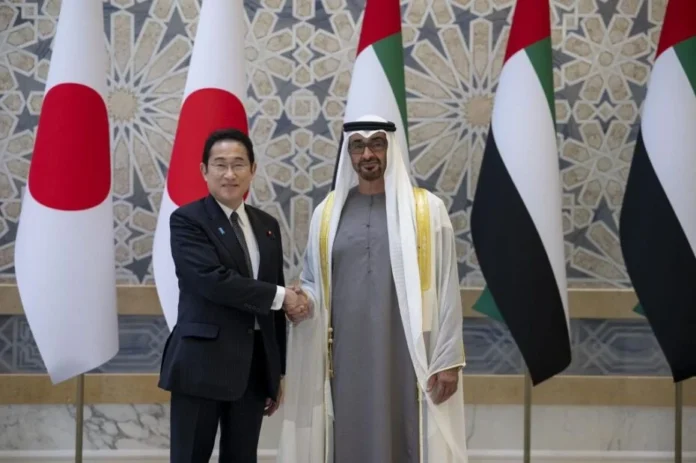
Japan will start negotiations for an economic partnership agreement with the UAE, Prime Minister Fumio Kishida said in a post on X.

The conclusion of the pact with the UAE, coupled with another free trade agreement between Japan and the GCC that will also be negotiated, would “strengthen economic relations between the two countries”, Kishida said.

Japan and the UAE agreed last year to cooperate on technology and climate change, including energy security and investments in the chip and battery sectors.

GCC non-oil growth remains strong despite fiscal uncertainty, reveals report

0

Non-oil growth across the GCC continues to show resilience despite global uncertainties, according to PwC’s latest Middle East Economy Watch report.

The report highlights strong growth rates for 2024, with the UAE at 4 per cent, Saudi Arabia at 3.7 per cent, and Oman at 3.8 per cent.

Kuwait has also returned to growth, posting a 4.7 per cent expansion in its non-oil sector.

The outlook remains positive for 2025, with expectations of further growth driven by a forecasted decline in US interest rates, allowing GCC countries to lower their rates as well.

However, fiscal uncertainties persist, as OPEC+ members agreed to delay planned production tapering amidst falling oil prices, with crude nearing $70 a barrel.

Despite these challenges, the report points to several positive developments in the region.

Key developments across the region supporting non-oil growth

Deal-making has remained robust, with 214 deals in H1 2024.

GCC countries like the UAE, Qatar, and Oman have reported fiscal surpluses, while Saudi Arabia has managed to narrow its budget deficit.

Additionally, the region is poised to capitalise on the growing AI sector, with significant investments from sovereign wealth funds and international collaborations positioning the GCC as a leader in AI innovation.

Richard Boxshall, PwC Middle East’s partner and chief economist, noted: “While oil price fluctuations remain significant, the strength of the region’s non-oil sectors provides a buffer against global volatility. Continued diversification and innovation are key to sustained growth.”

PwC’s report also highlighted Egypt’s economic recovery, fuelled by substantial support from the UAE, international organisations, and rising foreign exchange reserves.

As the GCC continues to embrace AI technologies, the region is expected to play a leading role in the global AI revolution, driven by investment and the development of key infrastructure.